
Introduction to Healthy Ramadan Reset: Smart Kitchen Tips for a Balanced Month
As the holy month of Ramadan approaches, I find myself reflecting on how to maintain a balanced diet while juggling the demands of daily life. The Healthy Ramadan Reset: Smart Kitchen Tips for a Balanced Month is my go-to guide for navigating this special time. It’s all about making smart choices that nourish our bodies and souls. Whether you’re a busy mom or a professional, these tips will help you create delicious meals without the stress. Let’s embrace this month with joy and health, ensuring we feel our best while celebrating with loved ones!
Why You’ll Love This Healthy Ramadan Reset: Smart Kitchen Tips for a Balanced Month
This guide is a lifesaver for busy days during Ramadan. It’s all about ease and speed, allowing you to whip up nutritious meals without spending hours in the kitchen. You’ll love how these tips help you savor the flavors of the season while keeping your family healthy. Plus, with a little planning, you can enjoy delicious meals that everyone will rave about, making your Ramadan both fulfilling and delightful!
Ingredients for Healthy Ramadan Reset: Smart Kitchen Tips for a Balanced Month
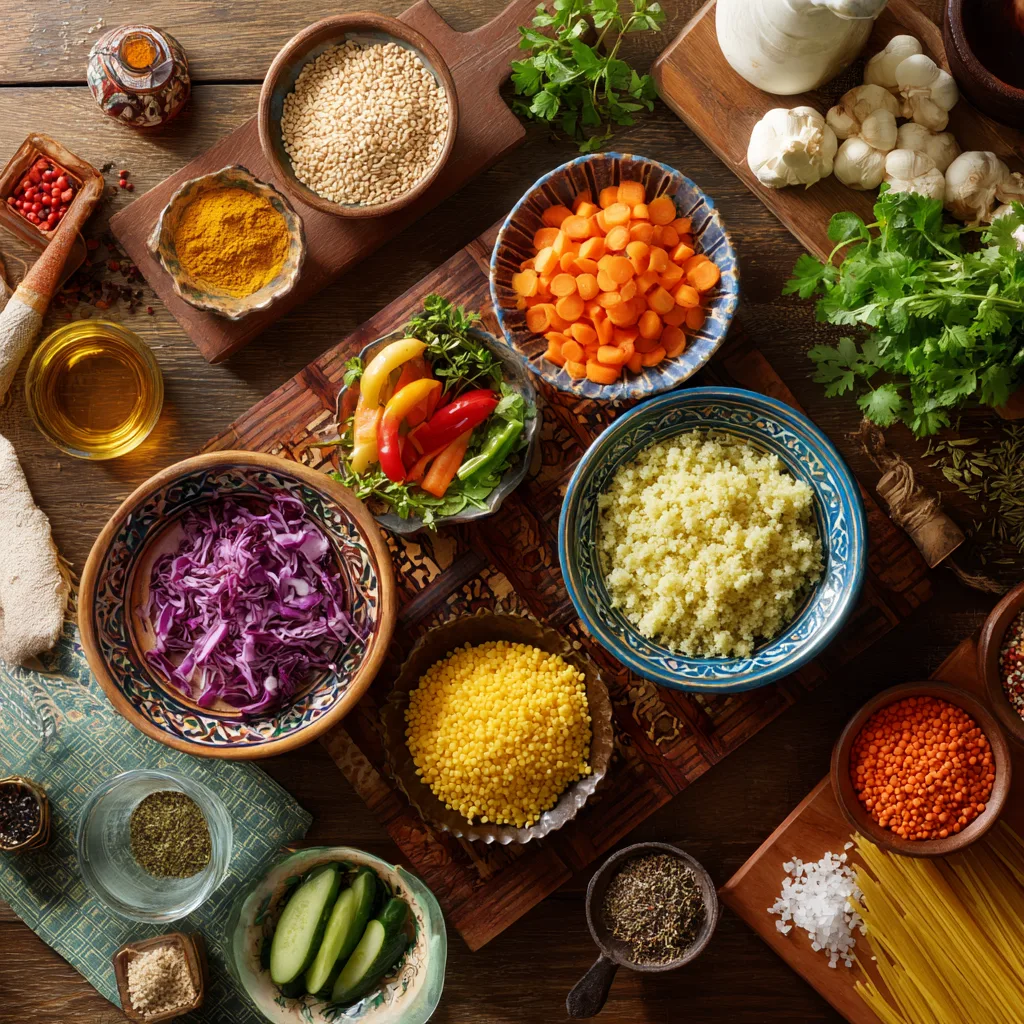
Gathering the right ingredients is key to a successful and healthy Ramadan. Here’s what you’ll need to create balanced meals that nourish your body and delight your taste buds:
- Whole grains: Opt for brown rice, quinoa, or whole wheat bread. They provide fiber and keep you full longer.
- Fresh fruits and vegetables: Load up on colorful produce! They’re packed with vitamins and minerals, making your meals vibrant and nutritious.
- Lean proteins: Think chicken, fish, or legumes. These help repair tissues and keep your energy levels steady throughout the day.
- Healthy fats: Incorporate olive oil, avocados, or nuts. They support heart health and add flavor to your dishes.
- Herbs and spices: Use fresh herbs like parsley or spices like cumin. They enhance flavor without extra calories, making your meals exciting.
- Low-sugar snacks: Choose options like yogurt with fruit or nuts. These satisfy cravings without the sugar crash.
For exact quantities and more detailed information, check the bottom of the article where you can find everything available for printing. Happy cooking!
How to Make Healthy Ramadan Reset: Smart Kitchen Tips for a Balanced Month
Creating a balanced diet during Ramadan doesn’t have to be overwhelming. With a little planning and creativity, you can enjoy delicious meals that nourish your body and soul. Here’s how to make the most of your kitchen during this special month:
Step 1: Plan Your Meals Ahead of Time
Meal planning is your best friend during Ramadan. I can’t stress enough how much it saves time and stress. Take a moment each week to jot down your iftar and suhoor meals. This way, you’ll know exactly what to shop for and what to prepare. Plus, it helps you avoid those last-minute unhealthy choices that can sneak in when you’re hungry and tired.
Step 2: Incorporate a Variety of Food Groups
When it comes to iftar and suhoor, variety is key. Aim to include whole grains, lean proteins, and plenty of fruits and veggies. For iftar, think of a colorful salad with grilled chicken and quinoa. For suhoor, a hearty oatmeal topped with fresh fruits can keep you energized. Mixing food groups not only makes meals more exciting but also ensures you’re getting all the nutrients you need.
Step 3: Choose Whole Grains
Whole grains are a game changer! They’re packed with fiber, which helps keep you full longer and supports digestion. Instead of white rice or bread, opt for brown rice, quinoa, or whole wheat pita. Trust me, your body will thank you for the extra nutrients and sustained energy throughout the day.
Step 4: Prepare Healthy Snacks
Healthy snacks are essential to curb those cravings that can hit hard after a long day of fasting. I love preparing small portions of nuts, yogurt with fruit, or veggie sticks with hummus. These snacks are not only satisfying but also provide the energy boost you need without the sugar crash. Keep them handy for when hunger strikes!
Step 5: Stay Hydrated
Hydration is crucial during Ramadan. Between iftar and suhoor, aim to drink plenty of water. I like to keep a water bottle nearby as a reminder. Herbal teas or infused water with fruits can also be refreshing options. Staying hydrated helps you feel better and keeps your energy levels up throughout the day.
Step 6: Limit Sugary Drinks
It’s tempting to reach for sugary drinks, especially after a long fast. However, these can lead to energy crashes. Instead, opt for natural juices or simply stick to water. If you crave something sweet, try blending fruits into smoothies. They’re delicious and much healthier than store-bought sugary beverages!
Step 7: Use Herbs and Spices
Herbs and spices are your secret weapons in the kitchen! They add flavor without extra calories. I love using fresh herbs like cilantro or mint, and spices like cumin or paprika. Not only do they enhance the taste of your dishes, but they also bring a burst of color and aroma that makes cooking feel like a celebration.
Tips for Success
- Keep a well-stocked pantry with healthy staples to make meal prep easier.
- Batch cook grains and proteins at the beginning of the week for quick meals.
- Use clear containers for snacks to avoid mindless munching.
- Involve your family in meal prep to make it a fun activity.
- Experiment with new recipes to keep things exciting and fresh!
Equipment Needed for Healthy Ramadan Reset: Smart Kitchen Tips for a Balanced Month
- Cutting board: A sturdy surface for chopping fruits and veggies.
- Sharp knife: Essential for quick and safe food prep.
- Measuring cups: Helpful for portion control and accurate ingredient amounts.
- Mixing bowls: Perfect for combining ingredients and meal prep.
- Storage containers: Keep your snacks and prepped meals fresh and organized.
Variations of Healthy Ramadan Reset: Smart Kitchen Tips for a Balanced Month
- Quinoa Salad: Swap out brown rice for quinoa in your salads for a protein boost and a nutty flavor.
- Vegetarian Options: Use chickpeas or lentils as your protein source for a hearty vegetarian meal.
- Spice it Up: Experiment with different spices like turmeric or coriander to give your dishes a unique twist.
- Fruit Smoothies: Blend your favorite fruits with yogurt for a refreshing and nutritious suhoor option.
- Gluten-Free Choices: Use gluten-free grains like millet or buckwheat for those with dietary restrictions.
- Stuffed Vegetables: Fill bell peppers or zucchini with a mixture of whole grains, lean protein, and spices for a delicious twist.
Serving Suggestions for Healthy Ramadan Reset: Smart Kitchen Tips for a Balanced Month
- Pair your meals with a refreshing cucumber and mint salad for a cool crunch.
- Serve dates stuffed with nuts as a sweet treat to break your fast.
- Offer a side of hummus with whole grain pita for a satisfying dip.
- Present your dishes on colorful platters to make mealtime festive.
- Complement your meals with herbal tea or infused water for a delightful drink.
FAQs about Healthy Ramadan Reset: Smart Kitchen Tips for a Balanced Month
What are some quick meal ideas for iftar?
For iftar, consider a hearty lentil soup paired with whole grain bread. You can also whip up a colorful salad with grilled chicken and quinoa. These meals are nutritious and can be prepared in no time!
How can I ensure my family stays healthy during Ramadan?
Focus on incorporating a variety of food groups in your meals. Include whole grains, lean proteins, and plenty of fruits and vegetables. Planning meals ahead of time can also help you avoid unhealthy choices.
What are some healthy snack options for suhoor?
For suhoor, try yogurt topped with fresh fruits or a smoothie made with spinach and banana. Nuts and whole grain toast with avocado are also great options to keep you energized throughout the day.
How can I stay hydrated during Ramadan?
Drink plenty of water between iftar and suhoor. Herbal teas and infused water with fruits can also help keep you hydrated. Aim for at least 8 glasses of water to maintain your energy levels.
Can I meal prep for Ramadan?
Absolutely! Meal prepping is a fantastic way to save time and ensure you have healthy options ready. Cook grains and proteins in advance, and store them in clear containers for easy access during the busy month.
Final Thoughts on Healthy Ramadan Reset: Smart Kitchen Tips for a Balanced Month
Embracing the Healthy Ramadan Reset: Smart Kitchen Tips for a Balanced Month has transformed my approach to this sacred time. It’s not just about food; it’s about nourishing our bodies and souls while creating cherished memories with loved ones. By planning meals and incorporating vibrant ingredients, I’ve found joy in cooking again. Each dish becomes a celebration of flavors and health, making Ramadan a fulfilling experience. I hope these tips inspire you to enjoy this month with balance and happiness, turning every meal into a moment of gratitude and connection.
Print
Healthy Ramadan Reset: Discover Smart Kitchen Tips!
- Total Time: 1 hour 30 minutes
- Yield: 4 servings
- Diet: Vegetarian
Description
A guide to maintaining a balanced diet during Ramadan with smart kitchen tips.
Ingredients
- Whole grains
- Fresh fruits and vegetables
- Lean proteins
- Healthy fats (like olive oil)
- Herbs and spices
- Low-sugar snacks
Instructions
- Plan your meals ahead of time to ensure a balanced diet.
- Incorporate a variety of food groups in your iftar and suhoor meals.
- Use whole grains instead of refined grains for better nutrition.
- Prepare healthy snacks to avoid unhealthy cravings.
- Stay hydrated by drinking plenty of water between iftar and suhoor.
- Limit sugary drinks and opt for natural juices or water.
- Use herbs and spices to enhance flavor without adding extra calories.
Notes
- Consider meal prepping to save time during the busy month.
- Adjust portion sizes to avoid overeating during iftar.
- Listen to your body and eat mindfully.
- Prep Time: 30 minutes
- Cook Time: 1 hour
- Category: Healthy Eating
- Method: Cooking and Meal Preparation
- Cuisine: Middle Eastern
Nutrition
- Serving Size: 1 serving
- Calories: 350
- Sugar: 10g
- Sodium: 200mg
- Fat: 15g
- Saturated Fat: 2g
- Unsaturated Fat: 10g
- Trans Fat: 0g
- Carbohydrates: 45g
- Fiber: 8g
- Protein: 12g
- Cholesterol: 0mg