
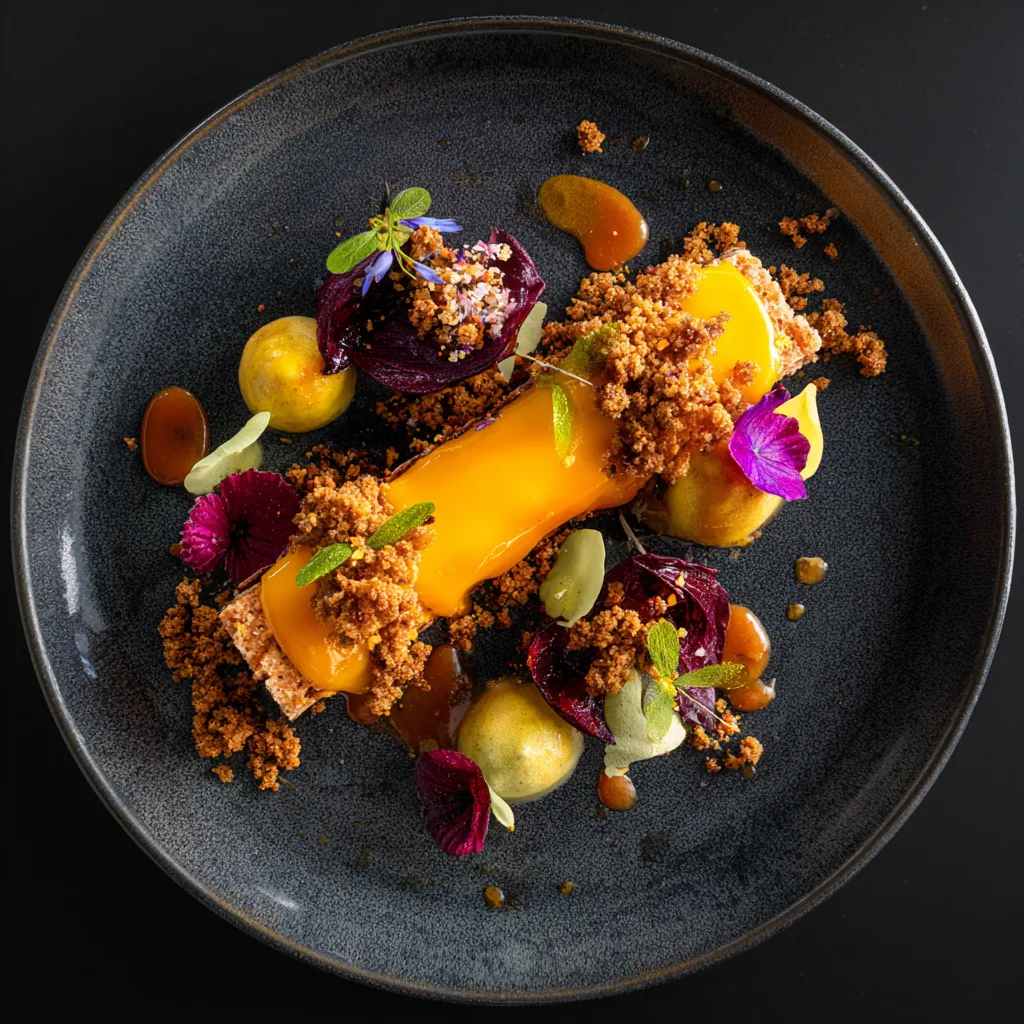
Introduction to Sensory Experience: The Science of Texture in Modern Food Photography
Welcome, fellow food lovers! Today, we’re diving into the fascinating world of sensory experience: the science of texture in modern food photography. As a passionate home cook, I know how busy life can get, and capturing the beauty of our meals can feel like a daunting task. But don’t worry! This guide will help you create stunning food photos that not only look delicious but also evoke a sensory experience for your viewers. Whether you’re a busy mom or a professional, this is your chance to impress your loved ones with mouthwatering images that tell a story!
Why You’ll Love This Sensory Experience: The Science of Texture in Modern Food Photography
This sensory experience is all about ease and creativity. You don’t need to be a professional photographer to capture stunning images. With just a few simple techniques, you can showcase the textures of your food beautifully. Plus, it’s a fun way to engage your family and friends, making mealtime feel special. Trust me, once you start, you’ll find joy in every click of the camera!
Ingredients for Sensory Experience: The Science of Texture in Modern Food Photography
To embark on this exciting journey of food photography, you’ll need a few essential ingredients. Each one plays a vital role in capturing the textures that make your dishes pop. Here’s what you’ll need:
- Camera: A good camera is your best friend. Whether it’s a DSLR or a smartphone, make sure it has a decent resolution to capture those intricate details.
- Lighting equipment: Natural light is fantastic, but if you’re shooting indoors, consider softbox lights or ring lights. They help highlight textures without harsh shadows.
- Food items with varied textures: Think about fruits, vegetables, and meats. Each has its unique texture that can create a visual feast. For example, the smoothness of an avocado contrasts beautifully with the roughness of a pomegranate.
- Props: Plates, utensils, and backgrounds can enhance your photos. Choose props that complement your food’s texture without stealing the spotlight.
- Editing software: Post-processing is key! Use software like Lightroom or Photoshop to enhance colors and textures, making your images truly pop.
For exact quantities and more detailed tips, check the bottom of the article where you can find everything available for printing!
How to Create a Sensory Experience: The Science of Texture in Modern Food Photography
Step 1: Choose Food Items with Interesting Textures
Choosing the right food items is crucial for showcasing texture. Look for ingredients that have a variety of surfaces, like the smoothness of yogurt or the roughness of a crusty bread. Fruits like kiwis and oranges offer vibrant contrasts, while meats can display marbling and juiciness. The more diverse the textures, the more visually appealing your photos will be. Remember, each texture tells a story, inviting viewers to imagine the taste and feel of the food. So, let your creativity run wild as you select your ingredients!
Step 2: Set Up Your Lighting
Lighting can make or break your food photography. Natural light is often the best choice, so try to shoot near a window during the golden hour. If you’re indoors, softbox lights or ring lights can help create a warm glow. Position your light source to highlight the textures without casting harsh shadows. Experiment with angles and distances to see how the light interacts with your food. The right lighting will enhance the textures, making them pop and inviting your audience to savor the moment.
Step 3: Arrange the Food
Arranging your food thoughtfully is key to a stunning photo. Use plates or surfaces that complement the textures of your ingredients. For instance, a rustic wooden board can enhance the natural look of fresh vegetables. Layering different textures can create depth, so don’t be afraid to stack or overlap items. Keep the arrangement simple yet appealing, allowing the textures to shine. Remember, the goal is to create a visual feast that draws the viewer in and makes them want to reach out and taste!
Step 4: Capture Multiple Angles
When it comes to food photography, variety is your best friend. Take multiple shots from different angles to capture the textures fully. A top-down view can showcase the arrangement, while a side angle can highlight the layers and depth. Don’t hesitate to get close-up shots to emphasize intricate details, like the glistening surface of a sauce or the seeds of a fruit. Each angle tells a different story, so keep snapping until you find the perfect shot that captures the essence of your dish!
Step 5: Edit Your Photos
Editing is where the magic happens! Use software like Lightroom or Photoshop to enhance your images. Adjust the brightness and contrast to make the textures stand out. Don’t forget to play with saturation to bring out the colors, making them more vibrant. Cropping can also help focus on the textures you want to highlight. Remember, the goal is to enhance, not to overdo it. A little editing can transform a good photo into a stunning visual experience that captures the viewer’s attention!
Tips for Success
- Always shoot in natural light when possible for the best texture highlights.
- Keep your background simple to avoid distractions from the food.
- Use a tripod for stability, especially in low light conditions.
- Experiment with different angles and distances to find the most flattering perspective.
- Don’t be afraid to try new props that enhance the story of your dish.
Equipment Needed for Sensory Experience: The Science of Texture in Modern Food Photography
- Camera: A DSLR or a smartphone with a good camera will do.
- Lighting: Softbox lights or natural light from a window are ideal.
- Tripod: A sturdy tripod helps keep your shots steady.
- Editing Software: Use Lightroom or free options like GIMP for editing.
Variations on Sensory Experience: The Science of Texture in Modern Food Photography
- Seasonal Ingredients: Use seasonal fruits and vegetables to showcase different textures throughout the year. Think about vibrant summer berries or hearty winter squash.
- Dietary Adaptations: For a vegan twist, focus on plant-based proteins like tofu or tempeh, which can add unique textures to your photos.
- Texture Combinations: Experiment with contrasting textures, like pairing creamy sauces with crunchy toppings, to create visual interest.
- Color Variations: Incorporate colorful ingredients to enhance the visual appeal. Brightly colored foods can make textures pop even more.
- Global Flavors: Explore international cuisines that emphasize texture, such as crispy tempura or tender braised meats, to add variety to your photography.
Serving Suggestions for Sensory Experience: The Science of Texture in Modern Food Photography
- Pair your textured dishes with a light salad for a refreshing contrast.
- Serve with a glass of sparkling water or a fruity mocktail to enhance the visual appeal.
- Consider using colorful napkins or tableware to complement your food’s textures.
- Garnish with fresh herbs to add a pop of color and texture.
- Present your dishes on rustic wooden boards for a warm, inviting look.
FAQs about Sensory Experience: The Science of Texture in Modern Food Photography
What is the importance of texture in food photography?
Texture plays a vital role in food photography as it enhances the sensory experience for viewers. It invites them to imagine the taste and feel of the food, making the images more engaging and appetizing. By showcasing different textures, you can create a visual feast that draws people in.
How can I improve the texture in my food photos?
To improve texture in your food photos, focus on lighting and angles. Use natural light to highlight the surfaces of your ingredients. Experiment with close-up shots and different angles to capture the intricate details. Editing software can also help enhance textures and colors, making your images pop.
What types of food work best for showcasing texture?
Foods with varied textures work best for showcasing in photography. Think about fruits like kiwis and oranges, vegetables like carrots and radishes, or meats with marbling. Each ingredient brings its unique texture, creating a more visually appealing composition.
Do I need expensive equipment for food photography?
No, you don’t need expensive equipment to capture great food photos. A good smartphone camera can work wonders! Focus on lighting and composition, and invest in basic props and editing software to enhance your images.
How can I make my food photos more inviting?
To make your food photos more inviting, pay attention to the arrangement and props. Use simple backgrounds that complement your dish, and consider adding garnishes for color and texture. A warm, inviting atmosphere can make your images feel more appealing and relatable.
Final Thoughts on Sensory Experience: The Science of Texture in Modern Food Photography
Capturing the sensory experience of food through photography is truly a delightful adventure. It’s about more than just snapping a picture; it’s about telling a story that invites viewers to savor the moment. By focusing on texture, you can create images that evoke emotions and memories, making your meals feel special. So, grab your camera and let your creativity flow! With each click, you’re not just capturing food; you’re sharing a piece of your culinary journey. Embrace the joy of food photography, and watch as your dishes come to life in vibrant, mouthwatering detail!
Print
Sensory Experience: Discover Texture in Food Photography!
- Total Time: N/A
- Yield: N/A
- Diet: N/A
Description
An exploration of how texture plays a crucial role in food photography, enhancing the sensory experience of the viewer.
Ingredients
- Camera
- Lighting equipment
- Food items with varied textures (e.g., fruits, vegetables, meats)
- Props (plates, utensils, backgrounds)
- Editing software
Instructions
- Choose food items that have interesting textures.
- Set up your lighting to highlight the textures.
- Arrange the food on a plate or surface that complements its texture.
- Take multiple shots from different angles to capture the texture.
- Edit the photos to enhance the texture and colors.
Notes
- Experiment with different lighting techniques to see how they affect texture.
- Use close-up shots to emphasize texture.
- Consider the background and props to avoid distracting from the food.
- Prep Time: N/A
- Cook Time: N/A
- Category: Photography
- Method: Digital Photography
- Cuisine: N/A
Nutrition
- Serving Size: N/A
- Calories: N/A
- Sugar: N/A
- Sodium: N/A
- Fat: N/A
- Saturated Fat: N/A
- Unsaturated Fat: N/A
- Trans Fat: N/A
- Carbohydrates: N/A
- Fiber: N/A
- Protein: N/A
- Cholesterol: N/A